
Several top private schools in Abuja have sparked controversy by banning teachers from using mobile phones during school hours—a policy intended to reduce distractions but criticized by educators and parents as extreme, impractical, and potentially harmful in emergencies.
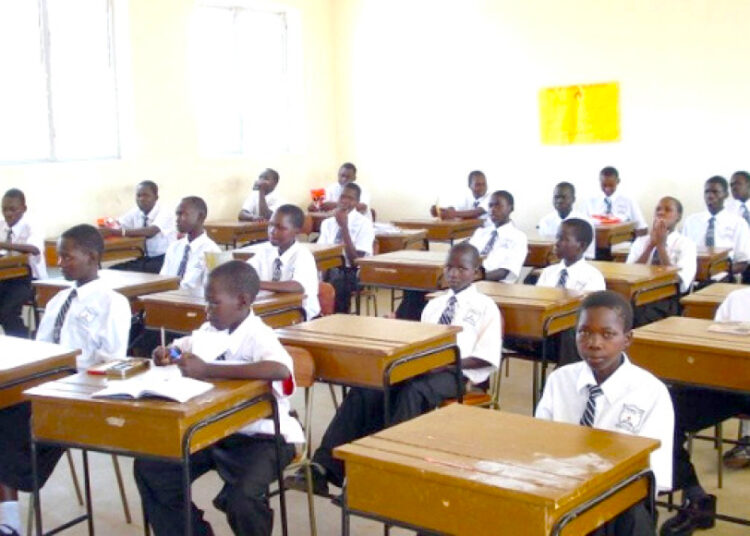
Several prestigious private secondary schools in Abuja have implemented a new policy restricting teachers from using mobile phones during school hours, specifically between 8:00 a.m. and 4:00 p.m. The decision, intended to curb distractions and improve academic focus, has stirred controversy among educators, parents, and education stakeholders.
The Policy
Teachers are now required to either switch off their phones or surrender them to school authorities for the duration of the school day. Failure to comply could result in disciplinary measures such as warnings or suspensions.
School administrators argue that the ban is meant to foster discipline and enhance the quality of education. However, critics contend the policy is overly rigid and impractical, raising concerns about the ability of teachers to manage emergencies or access educational resources.
Reactions from Stakeholders
One school staff member, who chose to remain anonymous, described the move as “harsh and disrespectful,” noting that while limiting phone use in classrooms is reasonable, a complete ban throughout the workday disregards the professional and personal responsibilities of teachers.
“We are not children,” he said. “You can’t ask an adult to stay disconnected for eight hours. What happens if there’s an emergency?”
Educators have also pointed out inconsistencies in the policy’s implementation. In many cases, administrative and non-teaching staff are still allowed to use their phones, leading some to accuse schools of double standards.
Parents remain divided. While some back the schools’ efforts to eliminate distractions in the classroom, others worry about communication barriers.
“If something urgent happens, how will I reach my child’s teacher?” asked Hauwa Collins, a concerned parent. “Schools shouldn’t become prison camps for staff.”
Expert Opinions
Education experts caution that blanket bans may do more harm than good in today’s digital world, where smartphones are valuable instructional tools.
Titus Torough, an Abuja-based education consultant, said schools should focus on professional development rather than imposing restrictive policies.
“Phones are no longer just for personal use,” he noted. “They’re integral to modern teaching—used for research, lesson planning, and parent-teacher communication.”
Torough advocated for clear guidelines that promote responsible phone use instead of outright bans. He emphasized that cutting off access to mobile devices may stifle innovation in education.
A Balanced Approach?
LEADERSHIP’s investigation found that some schools are adopting more moderate policies. In these institutions, teachers are allowed to use phones during breaks or for academic purposes, provided devices remain on silent mode. Misuse is dealt with internally through disciplinary measures.
Collins Shiaondo, a teacher at one such school, described the policy as strict but reasonable.
“We’re not allowed to use phones during classes, but we can access them during breaks or emergencies. That’s a fair middle ground,” he explained.
He recounted a tragic incident where a teacher, prohibited from using his phone, was unaware his pregnant wife needed emergency surgery. She later died after the doctor failed to reach him for consent.
“Policies like these can endanger lives,” Shiaondo warned. “Government intervention is urgently needed.”
Policy Landscape
Currently, there is no nationwide regulation from the Federal Ministry of Education prohibiting teachers from using phones during school hours. Instead, such policies are enforced at the discretion of state governments or individual schools.
Some countries like Greece and the UK have adopted balanced policies—permitting teacher phone use strictly for educational purposes.
Ugwu Joseph, a parent, echoed this model.
“Phones should be for teaching—nothing more. Bans should target misuse, not the tools themselves.”
Final Thoughts
As the debate continues, education stakeholders are calling for clearer national guidelines that protect both instructional quality and the rights of teachers. While schools strive to create distraction-free environments, the need for practical, humane, and technologically sound policies remains paramount.
READ ALSO: 50% Of Children in Nigeria cannot read or solve math find out why
SOURCES: ALLSCHOOL, LEADERSHIP
Stories You Shouldn't Have Missed:
- Lagos pupils await JSS1, SS1 placements two months into new academic year
- “Only God can help a Woman do all these,” says Mother of 3 as She bags Ph.D.
- The Remarkable 15-Year Academic Journey of Dr. Richard Apau
- Kid Working as Bricklayer gets School Fees from Kind Nigerian Man
- Disturbing: Harvard Medical School Morgue Manager Charged With Body Parts Trafficking
- Meet Brilliant Female Student Who Won a Prestigious Award, Set to Represent Nigeria in France
- Tough Woman Who Got Several Rejections from Law Schools, Finally Graduates From Law School 20 Years Later
Join Our 500,000+ Community:
Thank you so much for reading. We will appreciate it if you share this with your loved ones.