
Mandarin Chinese has been officially added to Nigeria’s senior secondary school curriculum as part of a broader educational reform and cultural exchange initiative, with support from Chinese institutions to promote language learning and strengthen Nigeria-China relations.
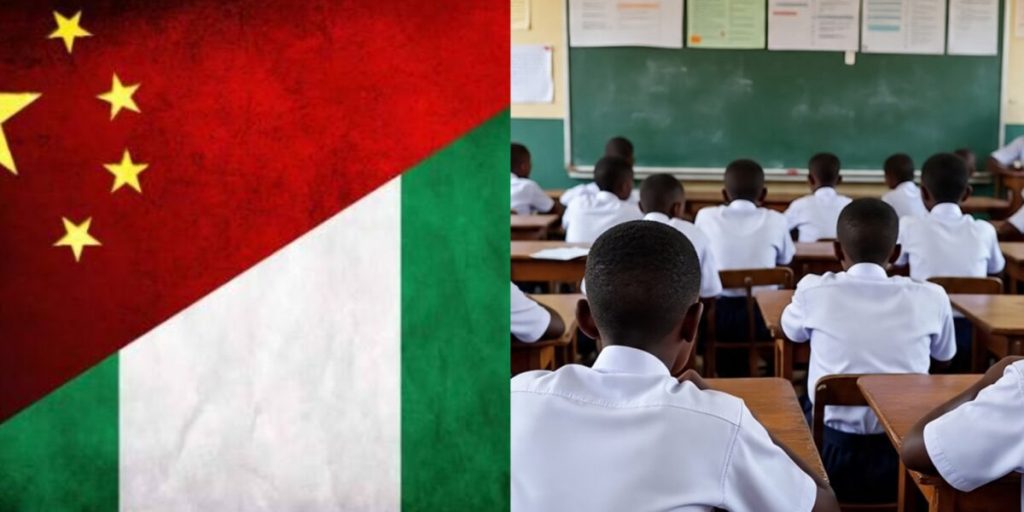
Nigerian senior secondary school students will now have the option to study Mandarin Chinese, as the language has officially been added to the national curriculum.
This announcement was made by Dr. Danlami Hayyo, Secretary of Education for the Federal Capital Territory (FCT), during the commissioning of the 14th Chinese Corner at Government Secondary School, Tudun Wada, Abuja.
The Chinese Corner project—sponsored by China Civil Engineering Construction Corporation (CCECC) as part of its corporate social responsibility—aims to provide both educational resources and cultural exposure to students interested in learning Chinese language and culture.
“Introducing Mandarin into the senior secondary curriculum is a forward-thinking decision,” said Dr. Hayyo. “Mandarin is the most spoken language in the world, and this move positions Nigerian students for global opportunities in commerce, education, and tourism.“
Page Contents
Strengthening Cross-Cultural Ties
With the 14th Chinese Corner now in place, the FCT continues expanding its network of cultural education centers that support Nigeria-China relations. These centers offer learning materials, language instruction, cultural books, and access to scholarships in China.
Yang Jianxing, Counsellor at the Chinese Embassy in Nigeria, praised the initiative for building stronger connections between both nations:
“Chinese Corners are bridges that connect Nigerian and Chinese youth, fostering cultural understanding and lasting friendships.“
Expanding the Program
According to Dr. Muhammed Ladan, Director/Secretary of the FCT Secondary Education Board, the first Chinese Corner was launched in 2013 at GSS Garki. The program has grown significantly since then, with two more centers currently in development, supported by key Chinese firms operating in Nigeria.
The inclusion of Mandarin aligns with a broader federal revision of the national education curriculum, which comes into effect in the 2025/2026 academic session. Similar to French and Arabic, Mandarin will now be offered as an optional foreign language.
A New Chapter in Nigerian Education
To support the rollout, the Chinese Embassy has donated 15 sets of teaching materials and cultural books, ensuring teachers and students are well-equipped for this new academic offering.
“This latest Chinese Corner is not just an end, but a new beginning for ongoing cultural exchange between China and Nigeria,” Yang concluded.
READ ALSO: Teen Graduates With High School & College Diplomas at the Same Time, Narrates How She Did It
Stories You Shouldn't Have Missed:
- UNIZIK Medical School Lecturers Protest Exclusion From VC Race
- Joy as 10 UNILAG Staff School Students Achieve Top Marks in International School Entrance Exams
- 14-Year-Old University Graduate Becomes Full-Timer At Elon Musk’s Company
- Fresh Nigerian Graduate Asks Tinubu for CBN Governor Role—10 Minutes After Graduating
- Kind Man Helps Girl Hawking in Street, Pays Her School Fees, Buys All Her Goods (video)
- TASUED Student Pleads with Tai Solarin’s Statue to Lower School Fees, Goes Viral
- UNN Professor’s Son Who Was Disappointed With His 2024 WAEC Results Gets Selected for EducationUSA Bootcamp
Join Our 500,000+ Community:
Thank you so much for reading. We will appreciate it if you share this with your loved ones.